
Lafcadio Hearn's Nagasaki Letter: A Hotel in Hell, a Dragon Princess
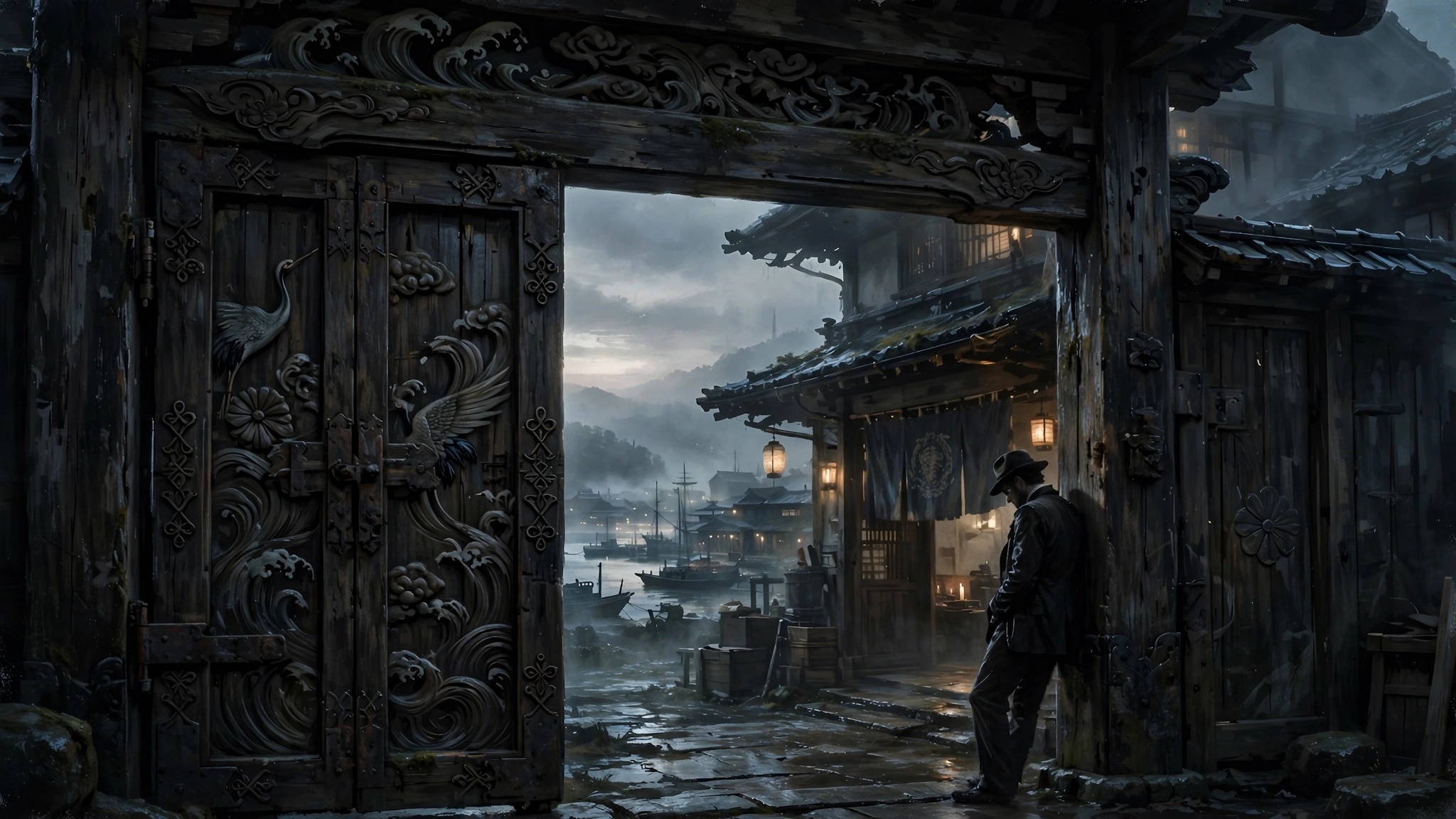
A kaidan-inflected Meiji-era travel letter from Lafcadio Hearn blends Nagasaki's summer heat with the ancient legend of Urashima Tarō's dragon princess.
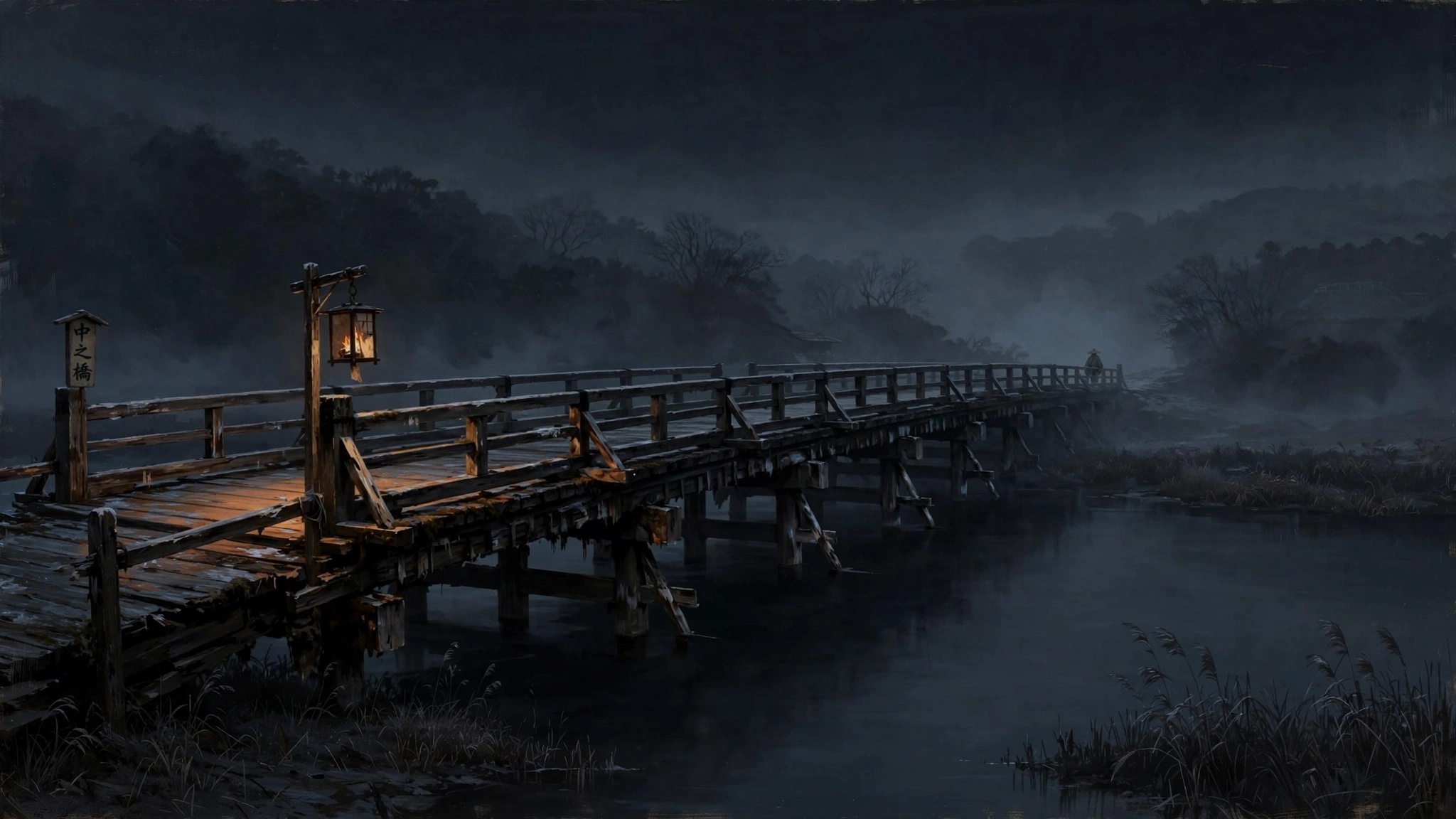
A faithful ashigaru's nightly vanishings beneath a bridge in old Edo reveal a kaidan of love, secrecy, and a toad-spirit's deadly hunger.
A scholarly companion to the rokurokubi of Kai, tracing Lafcadio Hearn's Kwaidan back through Chinese spirit-records and Edo-period provincial belief.
@redsunjapan
Immersive narrations, period sound design, and animated archival artwork on @redsunjapan.
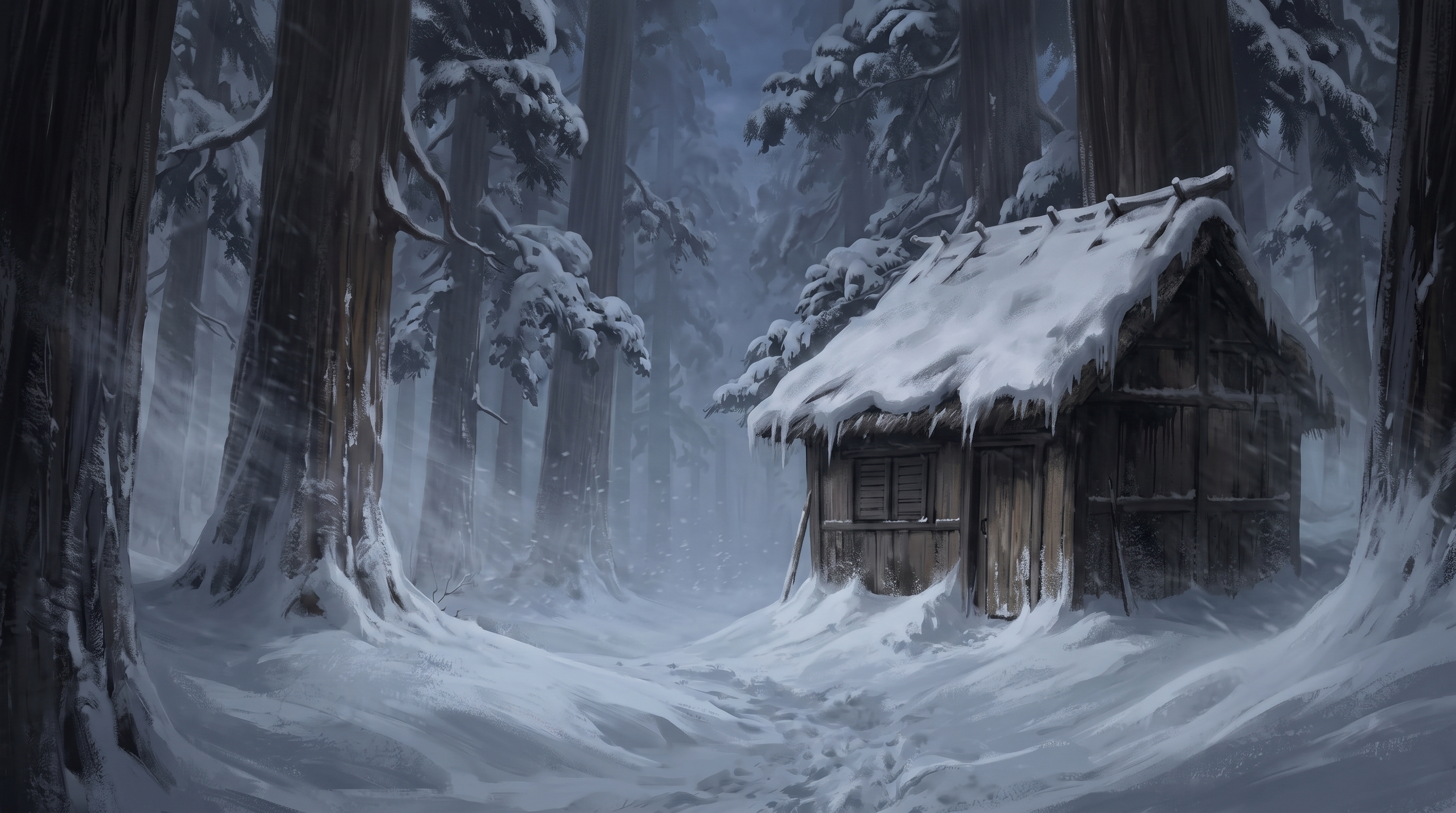
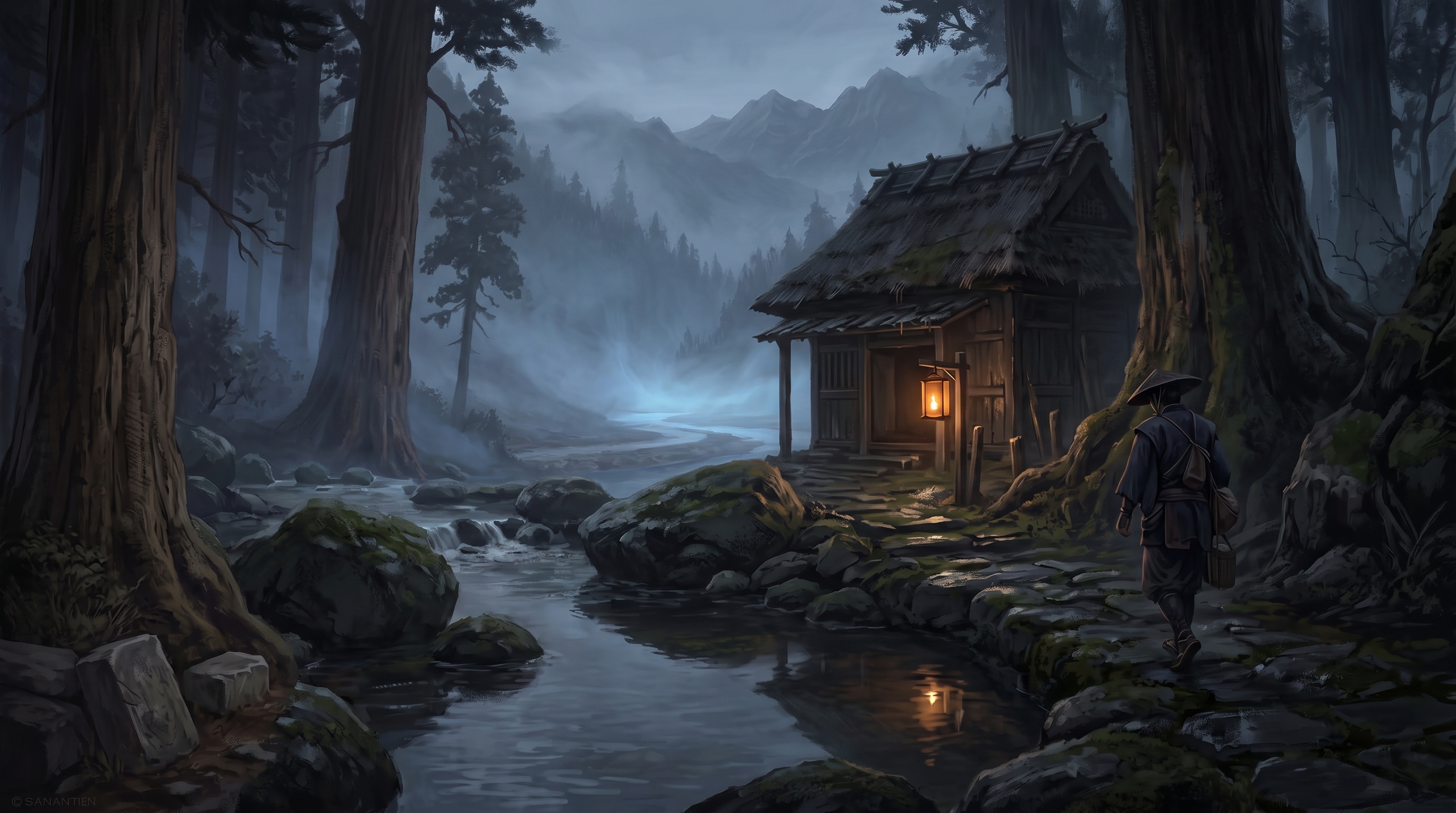
Inside a ferryman's hut, Lafcadio Hearn recorded Yuki Onna—the Edo-period kaidan of a snow spirit who spares a woodcutter, then returns to marry him.
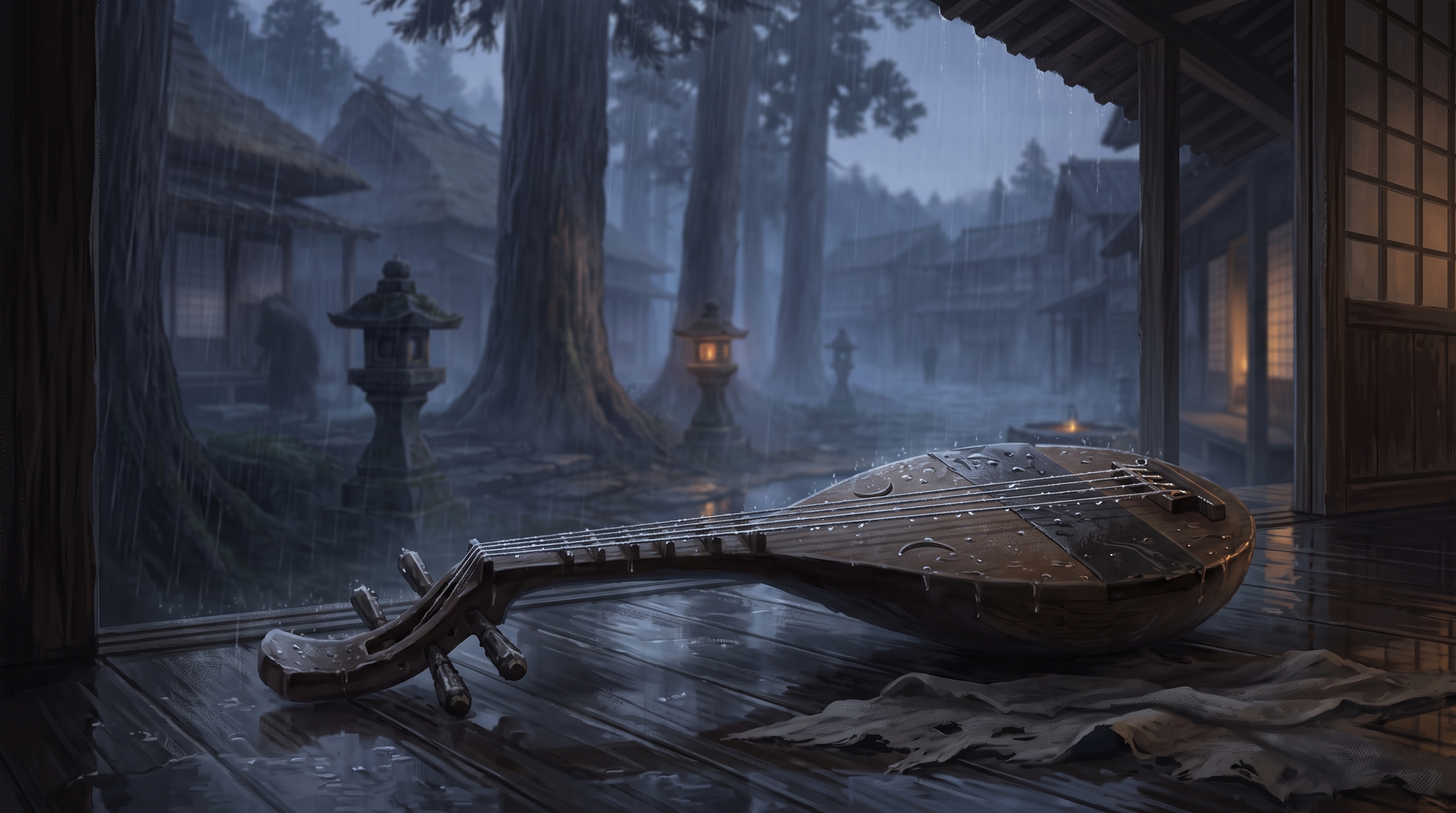
A blind biwa priest is summoned nightly to play for ghostly nobles in Akamagaseki, a chilling Edo-period kaidan from Japanese folklore.
Inside Akutagawa Ryūnosuke's 1927 novella Kappa — the psychiatric patient who fell into the river-spirit country, lived among the kappa for a year, and tried to climb back to a world that no longer felt like home.
Inside the 1666 Edo kaidan of the Peony Lantern (Botan Dōrō) — a masterless samurai, a ghostly woman, and the talisman that dissolved in the rain.
No chronicles found for this lore.
Select "All" to view the complete historical compendium.
Untranslated Edo-period folklore, historical ghost accounts, and restored feudal woodblock art delivered to your inbox every Saturday morning.